
// Vinyl
Best Vinyl Record Shops in the World: A DJ's Guide to Crate Digging Destinations
Introduction
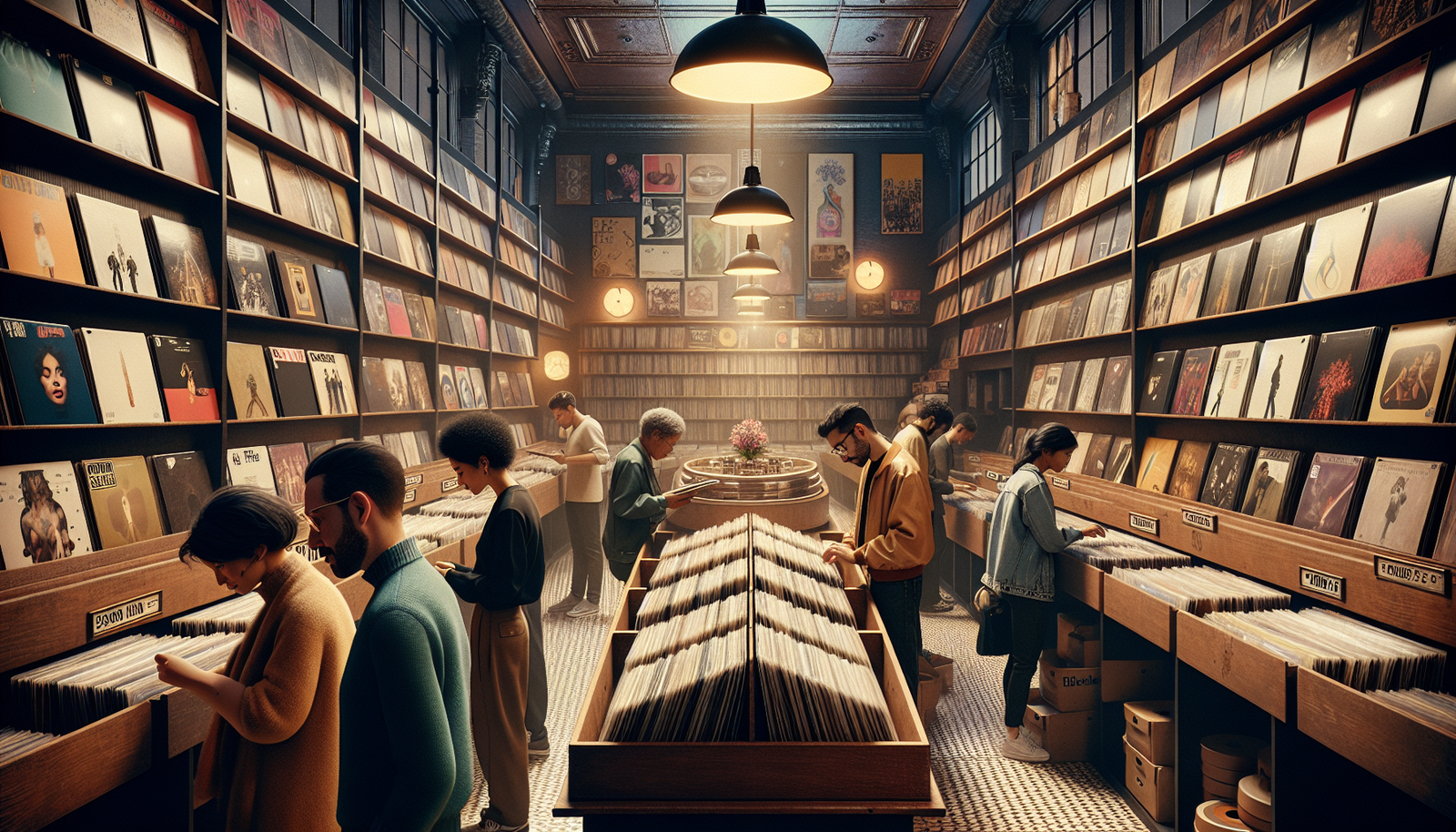
The best record shops are pilgrimage destinations. They're not just stores — they're institutions, community hubs, and archives of musical history. For DJs and collectors, visiting a legendary record shop in another city is as important as seeing a club or venue. The records you find there tell you about the local musical culture and the taste of whoever built the collection.
This guide covers some of the world's most respected vinyl destinations.
New York City, USA
A-1 Record Shop — Manhattan
A-1 has been in the East Village since 1987. Specializing in rare funk, soul, jazz, hip-hop, and dance music, it's one of the most respected DJ-focused stores in America. The staff are deeply knowledgeable and the bins are curated for DJs — you'll find original pressings alongside promo copies and oddities you won't see elsewhere.
Rough Trade NYC — Brooklyn
The New York outpost of the legendary London label and store. Strong on indie, post-punk, electronic, and international releases. Regular in-store performances and events make it a cultural hub as well as a shop.
Academy Records — Manhattan
Multiple locations across Manhattan. Excellent for jazz, classical, and rock. Their used section is extensive and well-priced — one of the best sources for second-hand vinyl in the city.
London, UK
Sounds of the Universe — Soho
Run by Soul Jazz Records, Sounds of the Universe stocks an extraordinary selection of reggae, jazz, electronic, soul, and global music — much of it unavailable elsewhere. The staff taste is impeccable and the atmosphere is that of a serious collector's archive.
Phonica Records — Soho
One of Europe's premier DJ record shops. Specialist in house, techno, minimal, and experimental electronic music. Strong import selection, listening stations throughout, and a knowledgeable team that actively follows club culture.
Reckless Records — Soho
A long-running used record institution. Multiple floors covering every genre, well-organized, and reasonably priced. One of the best destinations for second-hand digging in central London.
Tokyo, Japan
Disk Union — Multiple Locations
Disk Union is a chain with locations across Tokyo, each specializing in different genres (jazz, rock, hip-hop, classical). The Japanese pressing and condition standards are exceptional — records sold as VG+ in Japan are often Near Mint by Western standards. An absolute must-visit.
Technique — Shibuya
Tokyo's premier electronic music record shop. Deep selection of house, techno, drum and bass, and jungle. Beloved by Japanese and international DJs alike.
Berlin, Germany
Hard Wax — Kreuzberg
Hard Wax is one of the most influential techno and electronic record shops in the world. Operating since 1989, it has shaped the global techno canon through its selection and the records it championed early. The staff are famously knowledgeable and the atmosphere is serious — come prepared.
Spacehall — Kreuzberg
Across the street from Hard Wax. Broader electronic selection with more house, breaks, and experimental. Together, Hard Wax and Spacehall make Kreuzberg one of the world's great record-digging destinations.
Amsterdam, Netherlands
Rush Hour Records
Rush Hour is a label, distributor, and shop — and one of the most respected names in global electronic music. Strong on house, techno, disco, funk, and their own excellent reissue catalog. Essential.
Chicago, USA
Dusty Groove — Wicker Park
One of America's great funk, soul, jazz, and hip-hop record stores. Dusty Groove operates both a physical store and an extensive online catalog. The physical store is packed with carefully curated second-hand records — a paradise for crate diggers.
Tips for Record Shopping Abroad
- Bring a portable record player or headphones with a phono adapter to test records before buying
- Research pressing values on Discogs before you go — know what's worth paying for
- Ship records home rather than carrying them for large hauls — many shops offer shipping
- Visit on weekday mornings when new stock arrives and before the best records are gone
- Talk to the staff — in specialist shops, they often know what's in the back before it hits the floor
Getting Records Home Without Damaging Them
The part of a digging trip that goes wrong is almost never the digging. It is the journey home, and a warped record is a permanently ruined souvenir.
Carry them, do not check them. Hold luggage travels in a compartment whose temperature and handling you cannot control, and a suitcase gets stacked under others. Records in a cabin bag stay flat and stay at cabin temperature.
Keep them vertical the whole way. Records stacked flat under the weight of a bag warp. Standing them on edge along the side of a carry-on, supported so they cannot lean, is the safest arrangement.
Never leave them in a car. A parked car in summer will warp a record within an hour. This is the single most common way holiday finds are destroyed — more than air travel, more than handling.
Take the sleeves out for transit if the records are valuable. Storing the record beside its jacket rather than inside it prevents seam splits from pressure, which is the most common transit damage to a jacket.
Shipping is a reasonable option for volume. Most established shops ship internationally and pack records properly — better than you will manage in a suitcase. Weigh the cost against an excess baggage fee, which is frequently higher than you expect.
Customs is worth a thought on larger hauls. Personal-use records are usually unremarkable, but allowances vary by country and a box of two hundred records may not read as personal use. Keep receipts.
Planning a Digging Trip That Is Actually Worth It
Check opening days before you build a route. Independent record shops keep independent hours. Closing on Mondays is common, Sunday trading varies enormously by country, and some of the best shops keep short afternoon-only hours. A day planned around a shop that turns out to be shut is a day lost.
Confirm the shop still exists. Retail turnover is brutal and guides age badly — this one included. A quick check of a shop's current social media before travelling takes a minute and saves a wasted trip across a city.
Cluster geographically. Record shops concentrate in specific districts, and three shops in one neighbourhood beat five spread across a city. Plan by area, not by ranking.
Go early. New stock is put out in the morning and the best of it does not survive the afternoon. If a shop is the reason you came to a city, be there when it opens.
Bring cash. Plenty of independent shops have card minimums, unreliable terminals, or a preference for cash that translates into a better price on a larger purchase.
Know your currency limits before you walk in. Set a number in advance. The failure mode on a good trip is not missing a record — it is spending the accommodation budget in the first shop.
What to Ask in a Shop
The staff are the resource, and most visitors never use them.
- "What came in this week?" New arrivals are frequently unpriced and unfiled, and this question is how you see them.
- "Do you have anything by [label]?" Naming a label rather than an artist signals what you are actually looking for and gets far more useful answers.
- "Can I listen to this?" Most shops with a deck will let you, and it is the only way to grade a record properly before buying.
- "Where else should I go?" Shop staff know the local scene, including the shops that never appear in guides.
That last question is the highest-value one on the list. Guides converge on the same well-known names; the shop nobody writes about is usually the one with the unpicked bins.
Logging What You Find
A trip that yields thirty records also yields thirty records you will not remember the details of by the time you get home.
Photograph the run-out groove of anything you paid a premium for — the matrix identifies the pressing later, when the excitement has worn off and you want to know what you actually bought. Note the shop and the price alongside it; both are useful context when you eventually catalogue or resell.
If you play the finds in a set once home, running the recording through 45 Mix Trackr gives you titles, artists and timestamps automatically, which is a faster way to catalogue a haul than typing it out record by record.
Identifying Records from Your Travels
After returning from a crate digging trip with a bag of unlabeled or foreign-label records, 45 Mix Trackr can help identify recordings from your new finds. Record a short mix or playthrough, upload the audio, and the fingerprinting system will return the official title and artist information for anything in its database — particularly useful for foreign-language labels and regional pressings.
Conclusion
The world's great record shops are worth traveling for. Each has its own character, specialization, and community. Whether you're digging in the East Village, Soho, Kreuzberg, or Shibuya, the experience of finding a rare record in an unfamiliar city is one of the genuine pleasures of being a vinyl DJ or collector.
SH
SH is a New York–based designer who DJs vinyl and built 45 Mix Trackr after spending too many hours identifying his own mixes by hand. He records, edits and publishes mixes every month, and writes these guides from that workflow. More about 45 Mix Trackr
// Try it
Identify your DJ mix
Upload any audio or video mix and get a full tracklist with song titles, artists, and album covers in minutes.
Identify a mix →